ABCs of Cannabis Consumption: 26 Sticky Rules of Thumb
By Leo F. Mega
In the wake of another agricultural spotlight for Cannabis, the shadow cannabis industry–ventures solely looking to profit from the consumption trend, shelve products that do not offer clear compound content, growth strategy, or testing efforts and results. Sadly, many dispensary workers are unable to tell you much about the genetics of a cultivar. The cannabis plant requires the feeding of specific nutrients, a specific period of sunlight and the opposite, and a close eye. If you cannot retrieve this information, but are looking to hike Hash Mountain, the 26 Sticky Rules of Thumb (‘stickies’ if you will) will help you to summit.
A - Art: commit to understanding cultivating cannabis as an artform. It has been cultivated globally in many indigenous communities growing wild, and is the cornerstone of modern agriculture. Keeping this in mind will deter you from soulless flower with no flavor or effects, just the promise of a good high that doesn’t arrive.
B - Buzzing: known as the body absorbing the entourage effect taking place once the plant compounds reach the bloodstream. The time to buzz effect depends on the cultivar, and the method of consumption.
C - Chillums: There are as many ways to consume cannabis as there are strains. Historically, Hindus used chillum tubes to pack with high-grade plants and begin their journeys. Modern chillums can be purchased in your local head shop. Make sure the glass is quality to protect your lungs.
D - Depression: the cannabinol CBD is a more mellow version of THC in that it supports anti-anxiety and depression soothing. There are many peer-reviewed articles on this research.
E - Everyday people: Cannabis consumption comes with a stare of stigma. Regular people consume cannabis to alleviate chronic pain, for autism treatment, and depression. The government-provoked stigma does not age well.
F - Flower: Flower is the seed bearing part of the cannabis plant. Cannabis culture uses this name colloquially.
G - Gorilla Glue aka GG4: an OG cultivar with rich parental diesel genetics, this strain lowers you into the couch on a pillow of euphoria and relaxation. Glue never felt so good. Lock hands with the couch.
H - Hybrid: Cannabis cultivars can be hybrid, a flower sprouting from a mix of parent genetics, often with a split of THC content between nuanced categories of cerebral and body high.
I - Indica: Cannabis cultivars can be Indica, a species of plant native to the Kush Mountains of Southeastern Asia. Bhutan, for example, a country seemingly protected against colonization, harvests wild cannabis at the base of their mountain.
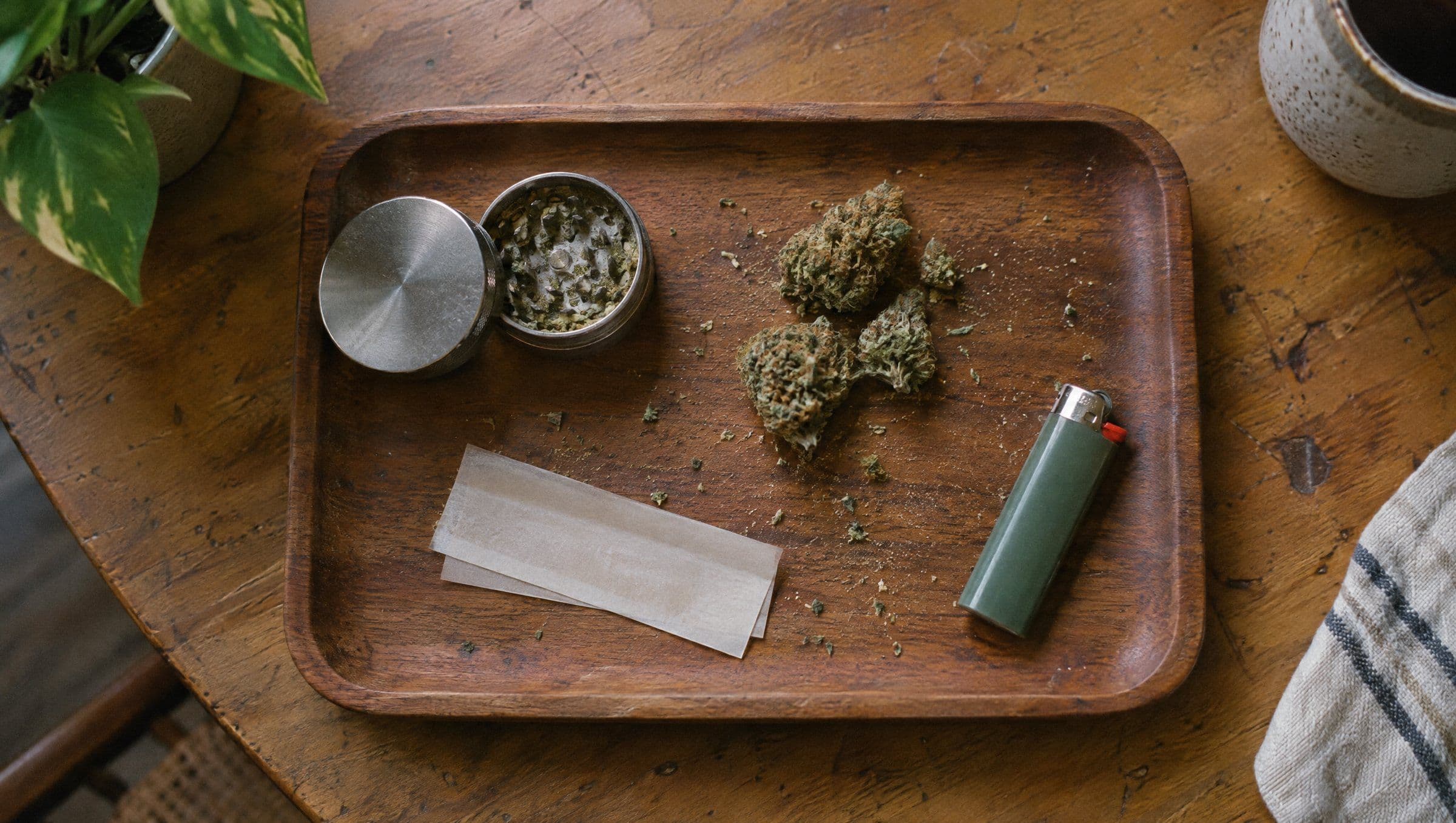
J - ‘Jay’ or ‘J’ or “Aye, pass the J/ay”: A J is a cultural and colloquial term for a rolled joint that has been prepared for smoking, and, perhaps, sharing.
K - Kush: Afghan Kush, Hindu Kush, Green Kush, Purple Kush, Jamaican Kush, etc. These Hybrid cultivars together make up ‘Kush’. However, the word is used generally in mentions of cannabis.
L - Light: fire is a resource as old as cannabis cultivation and it is necessary for a specific type of cannabis consumption. Keep fire on you. There are many ways to light cannabis for enjoyment, terpene and flavor enhancement. Many prefer non-butane ways of lighting such as a hemp wick.
M - Marijuana Munchies can ensue, relative to the cultivar, type of growth, and other efforts of cultivation. However, not all strains will prod the appetite. This is a specificity that has been believed to be general based on cannabis popularity since legalization in many states. Marketing advertisements use this characteristic profusely.
N - Nelson (Willie): A human well-known for cannabis consumption and advocacy of the plant purports, “...people need to be educated to the fact that marijuana is not a drug. Marijuana is an herb and a flower. God put it here.”
P - Pot: a common term used in cannabis culture and outside of the culture. ‘Pot’ is a word derived from the Portuguese for ‘drink of grief’, Potiguaya. Typically this term is not used in dispensaries, but in cannabis street culture vibes. Thank you, Mexico.
Q - Quiet Stoners: the antithesis to popular mainstream dispensary cannabis culture. Quiet stoners uphold the culture by focusing in and revering the plant for more than THC content, but for the cerebral benefits and the ability to make the world more livable.
R - Reefer: The understanding of this word has been birthed by ill-understanding and the war on drugs in the US. ‘Reefer’ is derived from the culturally-created Mexican vernacular word, ‘Grifa’. This word is not used in dispensaries, typically.
S - Sativa: While dispensaries usually mean ‘Sativa’ to be a type of benefit from a specific type of cannabis flower, Cannabis Sativa is the femme plant that produces the flower embedded with THC compounds, terpenes, and flavonoids.
T - Tetrahydrocannabinol: THC is a native psycho-active compound found in the cannabis plant. This compound binds with the endocannabinoid system for benefits of regulation. Most dispensaries promote 15% - 27% THC, but they fail to explain that THC is but one part of the cannabis experience.
U - Unfamiliar Environment(s): Just as with all psycho-active substances, set and setting are important. For the best sessions, smoke with people who make you comfortable, or in familiar places with water and restful places available.
V - ‘View’: The next step after set and setting. Your view or perception of your session can shape the session’s experience in your mind. Play nice with your brain and the plant will reward.
W - Whopping $61 Billion Dollar Industry: Remember that when political leaders shun the use of cannabis consumption, that the US is enduring a $61 Billion dollar cannabis industry, lining their pockets.
Z - ‘Zaza’: Zaza or exotic strains (so many ways to define exotic) strains have gained this nickname with their premium and sought-after cultivation and genetics.