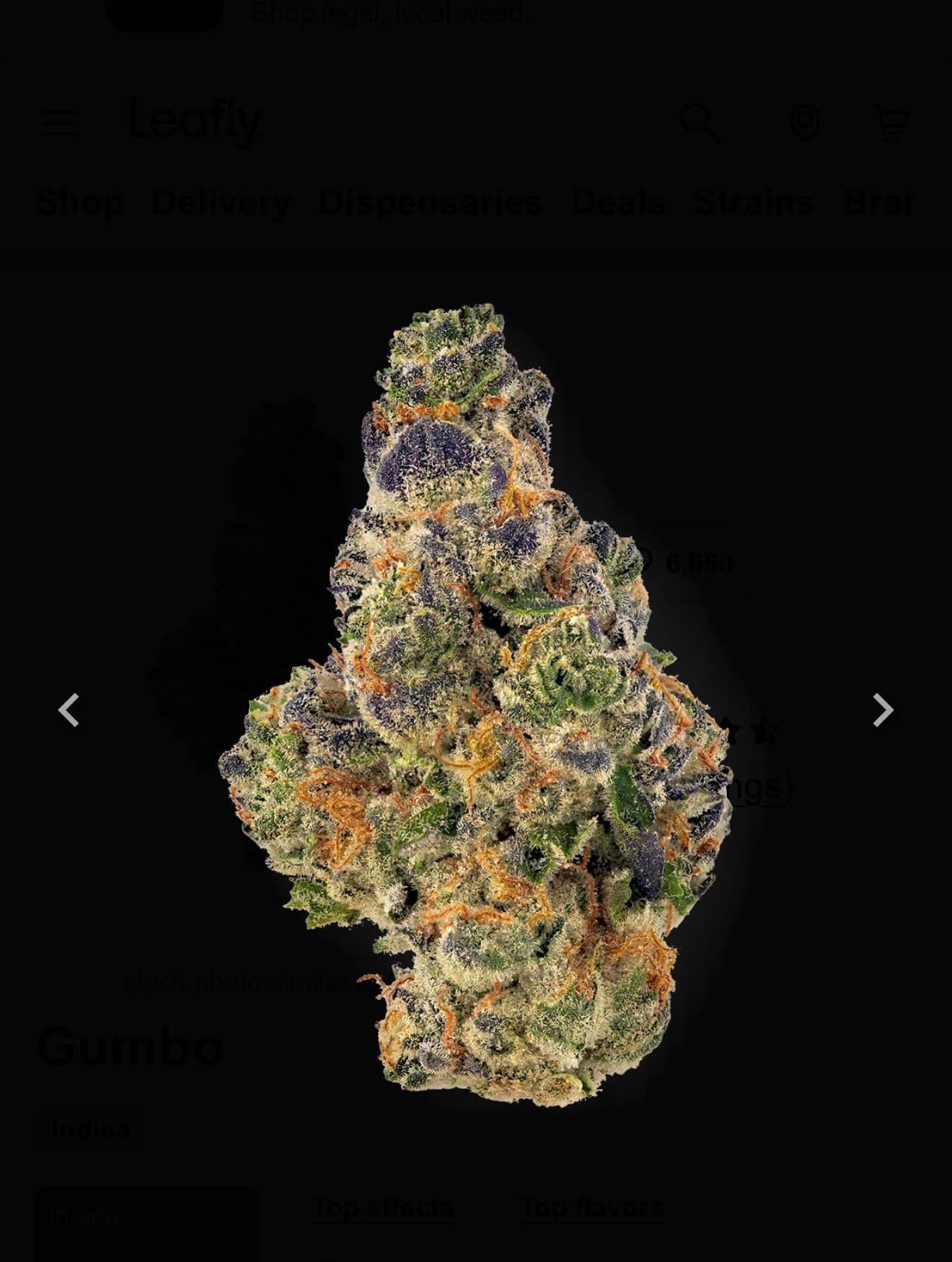
What Matters More Than the Sativa or Indica Label?
By Mary Jane
Published on October 21, 2026
For patients choosing cannabis products, several characteristics may be more informative than the traditional classification.
THC and CBD Content
THC is the primary intoxicating cannabinoid in cannabis. It can alter perception and mood while affecting memory, coordination, attention, and reaction time.
CBD is another cannabinoid that does not produce the same intoxicating effects as THC. However, CBD is not a guaranteed treatment for anxiety, pain, or other symptoms, and it can interact with medications.
Review the actual cannabinoid content on the product label rather than relying only on the strain name.
Terpenes and Aroma
Terpenes are aromatic compounds found in cannabis and many other plants. They contribute to a product's scent and flavor.
Common cannabis terpenes include:
- Myrcene: Often associated with earthy, herbal aromas.
- Limonene: Commonly associated with citrus aromas.
- Linalool: Often described as floral or lavender-like.
- Beta-caryophyllene: Associated with peppery, spicy notes.
Although terpenes are being studied for their potential biological effects, evidence is not sufficient to use a terpene profile alone to predict a patient's response or guarantee a therapeutic outcome.
Potency and Dosage
Two products with the same classification can have very different THC concentrations and effects. Higher THC potency can increase the risk of adverse reactions.
For people who choose to use cannabis, especially those with limited experience, lower-THC products and cautious dosing may reduce some risks. Inhaled cannabis and edible products also differ in onset and duration of effects.
Individual Sensitivity
Age, previous cannabis exposure, overall health, medications, and individual sensitivity can influence how a person responds. The same product may feel relaxing to one person and unpleasant or overstimulating to another.